
Value crosses only inside the controlled box.
Escrow structures, simultaneous settlement models, and attorney trust accounts — the architecture that makes irreversible settlement survivable.
Funds held, coins free
Buyer's funds held by a licensed escrow agent or attorney trust account; released against confirmed on-chain delivery. The most common single-escrow model — it neutralizes the seller's payment risk while the buyer's delivery risk is covered by confirmation rules.
Coins held, funds free
Seller's assets held by a qualified digital asset custodian or escrow provider; released against confirmed fiat receipt. Requires an escrow party with genuine custody capability — key management, insurance, and regulatory standing are diligence items.
Both legs held
Both legs held by one or two escrow parties, released simultaneously per written instructions. The most conservative structure — typical for first transactions between unfamiliar counterparties and for large single tranches.
D · Escrow agent diligence — minimum
- +Licensing / regulation verified with the issuing authority, not the agent's website.
- +Segregation — client funds and assets held in segregated, designated accounts; never commingled with the agent's own.
- +Instructions in writing — release conditions objective, complete, and signed by all parties before funding.
- +Insurance and financial standing appropriate to amounts held.
The "fake escrow" is a standing typology: a counterfeit or controlled "escrow company" nominated by the counterparty. Escrow agents are independently verified and, by preference, selected or co-selected by our side of the transaction.
Escrow does not replace KYC, POF, wallet proof, or forensic screening — it is the settlement layer that sits on top of a completed compliance file, never a substitute for one.
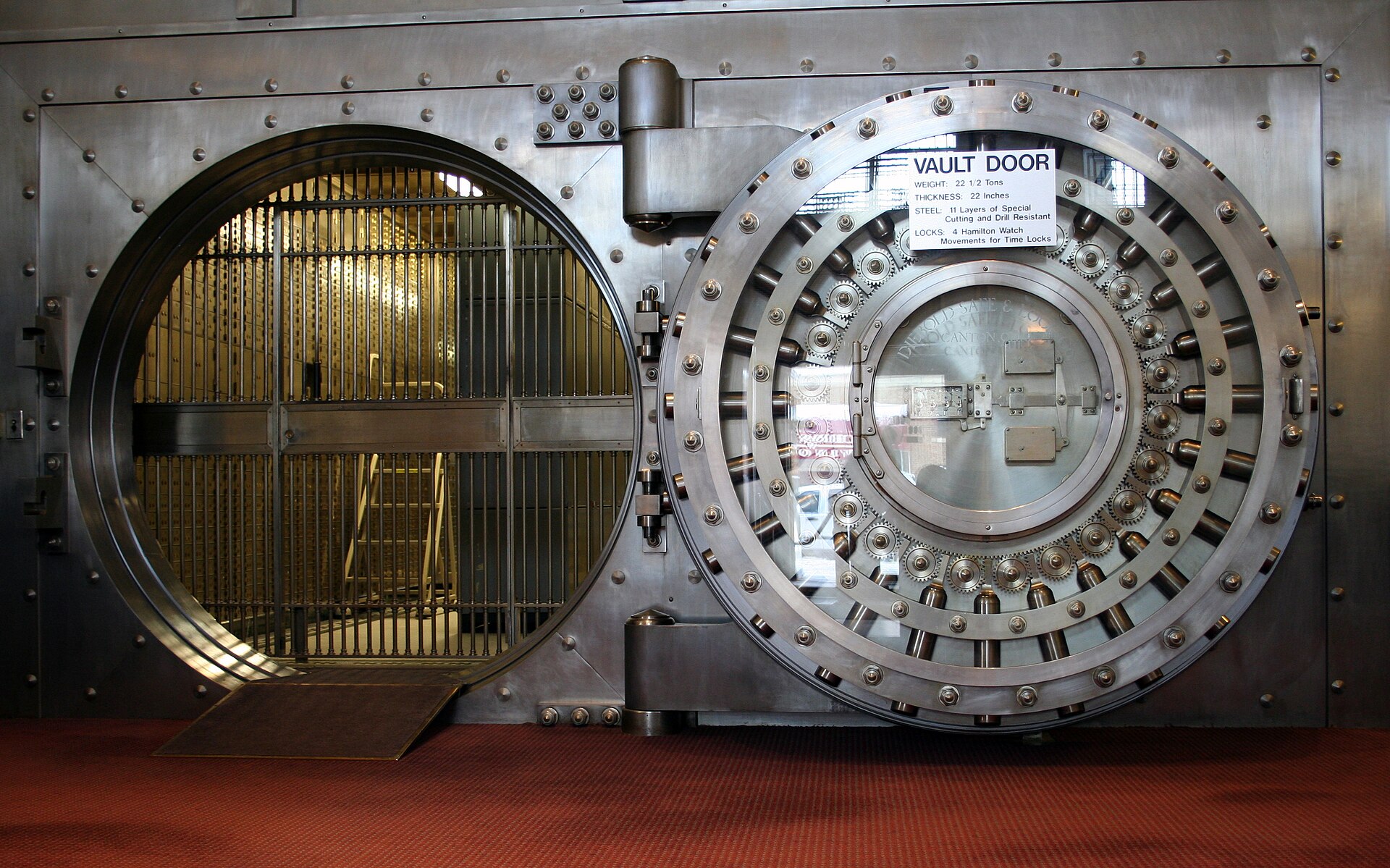
Settlement architecture, the original edition: value crosses only inside a structure both parties can inspect and neither can override alone.
At no moment does one party hold both legs of the transaction while the other holds neither.
Recorded, real-time, tranched
Both parties' professionals on a recorded call; fiat release and on-chain transfer initiated against each other in real time, in pre-agreed tranches small enough that worst-case exposure is acceptable.
Slower, strongest
Both legs pre-positioned with control parties; releases executed simultaneously per written instructions when conditions are objectively met.
Trust, earned in tranches
A small test tranche, then escalating tranche sizes as each settles cleanly. Limits maximum exposure to one tranche; standard for new relationships regardless of model.
Model selection is documented in the transaction file with rationale; deviations from M1–M3 require written legal and risk approval under the governance framework.
 Safe deposit boxes, Zürich · Image: Wikimedia Commons
An attorney trust account — IOLTA or equivalent client account — is a segregated account in which licensed counsel holds client funds subject to professional conduct rules. The buyer funds the trust; counsel disburses only when documented release conditions are met.
A · Why the structure carries weight
- +Professional discipline — misuse of client funds is career-ending for counsel; an incentive structure stronger than most commercial guarantees.
- +Banking acceptance — trust-account wires between law firms move through banking compliance more cleanly than principal-to-principal transfers of similar size.
- +Documented conditions — the disbursement instruction letter forces the parties to state objective release conditions in writing.
B · Diligence on the attorney — always
- +License verified with the bar or regulator directly — registration number, standing, disciplinary history.
- +Independent contact established through the firm's published channels, not only the numbers provided by an introducing party.
- +Trust account confirmed as a genuine client account at a regulated bank, in the firm's name.
- +Engagement clarity — whose lawyer is this? Counsel acts for a named party; "neutral" attorneys still have a client of record and a defined duty.
Impersonated law firms — cloned websites, lookalike domains, fabricated bar numbers — are a recurring typology in large digital asset fraud. Verification to the regulator and call-back through published channels defeats nearly all of it.
BloomBridge Capital does not participate in unsecured “crypto first / cash later” structures. The default answer to any such proposal is no.
Exceptions only in advance, in writing, by legal counsel and risk management — never under time pressure