
The market, off the screen.
Where institutional size trades, the order book ends and the counterparty begins — market structure, instruments, and the participants every transaction must name.
Peer-to-peer markets are bilateral: two counterparties agree price, size, and settlement terms directly. The blockchain is the settlement rail; the commercial relationship, documentation, and risk controls sit entirely off-chain.
Irreversibility is symmetric: a buyer who wires fiat against an unverified wallet, and a seller who releases coins against an unverified payment, face the same unrecoverable exposure.
Fig. 1 — Where P2P sits
Size bands are illustrative market conventions, not BloomBridge limits — counterparty-specific limits are set by risk management case by case.
The two venues solve different problems.
On an exchange, the venue is the counterparty and the risk. In OTC, the counterparty is the risk — and verification is the product.
No equity desk works a $50M order through the lit book. The block-trade logic is identical here — with harsher settlement finality.
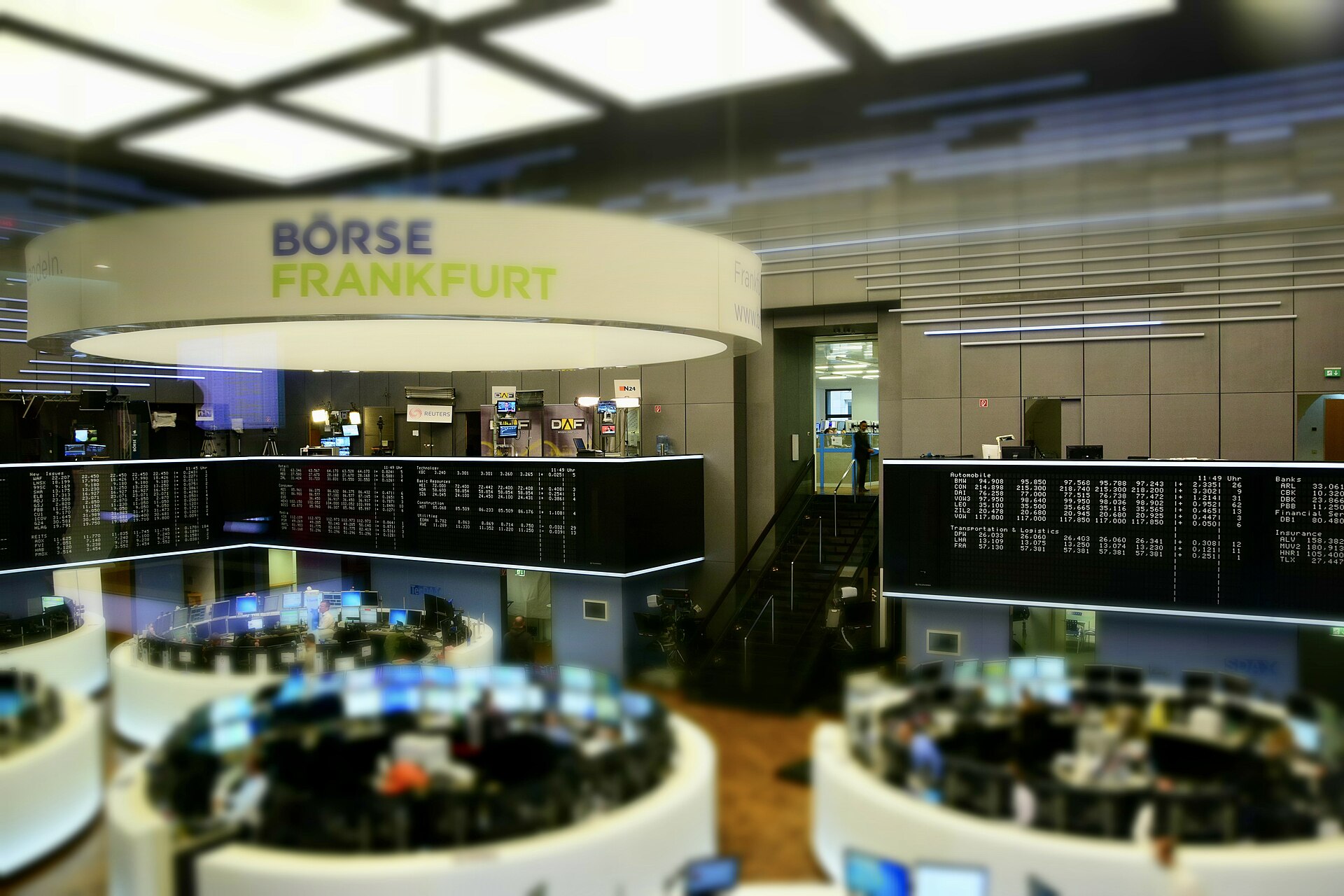
The lit market: continuous price discovery, visible order flow, the venue as counterparty. Institutional size steps off this floor — and inherits its counterparty risk directly.
Principal desk
The desk trades from its own balance sheet, quoting a firm two-way price. The client's counterparty is the desk itself. Fastest execution; desk carries inventory risk.
Agency desk
The desk sources liquidity across venues and counterparties on the client's behalf, charging a disclosed fee or spread. Slower; lower balance-sheet risk; quality depends on the desk's network.
Direct principal-to-principal
Buyer and seller transact directly under negotiated documentation, with attorneys, escrow agents, and compliance providers forming the control structure. This is the model we operate.
Institutional OTC is a quote-driven dealer market, structurally similar to FX forwards or corporate bonds: liquidity is relationship-based, prices are bilateral, and the post-trade process — documentation, screening, settlement — is where the real work sits. A mature OTC transaction therefore looks less like a trade and more like a small closing: a defined checklist, named professionals in defined roles, and value moving only at the end, simultaneously, under supervision.
BloomBridge Capital treats every direct P2P block as a closing, not a trade. Counterparties who expect trade-speed without closing-discipline are declined — and the reaction to that sentence is itself diligence signal.
Drivers of OTC execution — relative weight.
Bar weights are qualitative, for discussion structure only — not measured data.
Slippage is a real cost. Working institutional size through a public order book moves the price against the order. A negotiated block transfers that execution risk into a single agreed price.
Confidentiality protects both sides. Treasury operations, fund rebalancing, mining liquidations, and estate settlements are legitimate transactions whose disclosure would harm the principal.
Settlement can be engineered. OTC allows the parties to choose the settlement structure — escrow, attorney trust, DvP tranches — and to scale tranche size to trust earned.
Banking is part of the trade. Large fiat legs require receiving banks comfortable with the transaction. OTC documentation packages are built to satisfy bank compliance.
Caveat — size attracts fraud. The same features that attract institutions attract impostors. The majority of "large OTC offers" circulating through broker networks do not survive first-stage verification.

The bearer instrument, at desk scale: settlement finality is the feature — and the entire risk.
Four instruments account for the overwhelming majority of institutional volume. Their settlement characteristics are what matter procedurally.
The most widely used settlement stablecoin in OTC flow, issued on multiple networks — Ethereum and Tron prominent. The de-facto cash leg of many P2P trades.
Issuer can freeze addresses · network choice (ERC-20 vs TRC-20) must be contractually explicit · provenance screening mandatory.
A regulated, reserve-attested USD stablecoin favored where counterparties require issuer transparency. Common in fund and corporate treasury settlement.
Issuer freeze capability exists · redemption rails to banking well developed · attractive to bank compliance reviewers.
The principal asset-side instrument in large blocks — treasury allocations, miner sales, estate and fund liquidity events.
Confirmation counts (commonly 2–6) defined in the agreement · UTXO provenance fully traceable and screened.
Second major asset-side instrument; also the gas asset underlying ERC-20 stablecoin settlement.
Finality fast in normal conditions · smart-contract wallets and multisigs require additional ownership verification steps.
Issuer freeze powers on USDT and USDC are a screening asset, not a defect: tainted stablecoins are routinely immobilized. But they also mean a counterparty's tokens can be frozen mid-transaction — another argument for pre-settlement forensic screening of the exact wallets to be used.
Every participant is named, verified, and contracted before value moves. Any party who resists role definition, verification, or documentation is treated as a risk indicator in itself.
Mandates and broker chains are where most engagements fail: legitimate intermediaries welcome disclosure; impostors resist it. Chains longer than one undisclosed intermediary per side are flagged under DDQ Section M.
From here the question changes — from why OTC is rational to why most OTC offers are not real. Verification is how we answer it.